Last night did not end well - meltdown, Panadol and ice packs. What happened?
The last four days have been busy by my head banged standards and I was pacing myself well - mostly. I had prioritised, planned and paced - my three P’s. What I hadn’t counted on was the priorities of the people who love me most, among others.
Yesterday should have been filled only with washing towels, my concussion physio appointment, a visit to a lovely friend of ours and then home to rest before getting some study done. That was the plan, those were the priorities I had.
Add to that list of priorities a trip to the supermarket - my husbands priority - and an hour long trip became two and a bit. You cannot ignore the people who say hello according to my hubby. He forgets to look for the signs I am exhausted and losing the battle with my brain. I need to be more aware of letting him know - not being afraid to interrupt him with my fatigue.
Over lunch I had planned to look at some study after a rest - a full on brain break. The rest happened. The study happened but so did a hunt in response to a work email and an earthquake - these last two meant more than planned for screen time. Screen time is exhausting - my eyes and, therefore, my brain have to adjust constantly to the flickering that happens as screens update with our work or the changes brought about by video. Scrolling through Facebook is no longer a pleasant task.
Plan for the day - not too far off track so far. Priorities are, however, becoming less of my own. Pacing - also heading out the window. Time for a rest after another two hours of screen time even with my micro-breaks. A micro-break means I close my eyes for 30 seconds and rest the brain. If you see someone doing this relatively regularly then they too have some form of brain injury.
Dinner to cook - not too bad to get done but that really was to be the last of my energy reserves it turned out. Dinner did get cooked. Then the priorities of others took over. I had, however, managed to put off the research person wanting me to complete an ACC survey over the phone at 4.50pm. Never a good time if you are suffering mTBI.
The girl child had made cupcakes before dinner and announced after we had eaten that I was in charge of making the buttercream - not my priority, not planned for and certainly not paced into my day. I could do this - just. Armed with my noise reducing earplugs in place and with the girl child measuring ingredients ensuring we were following the recipe, which for me is something I cannot do at the end of the day without frustration and irritation surfacing.
Earplugs in, working not too badly until along came another of someone else’s priorities. Hubby had found an item on the local buy,sell, swap site that required a discussion regarding purchase - right then. Not planned for so definitely not paced for. A request for letting me focus on job one before completing another did not come out politely at all. Frustration. Irritation. Hurt.
Once the buttercream was made and the girl child was sorted to ice her cupcakes I moved to hubby and his needs. Discussion. Purchase. Whew!
A quick bed sheet change, during which hubby stuck his head in the door and failed to even notice I was using the last of my energy reserves. No help offered. Not the end of the world.
The cracks finally broke wide apart when I had tried to escape to the bathroom - unsuccessfully! Hubby hunted me down. By the time I was done I really needed to give my brain a break. Alas - too late. The pain in the injured part of my head was sharp. Reaching for Panadol I broke down in tears wishing again for a cast, a pair of crutches, anything on the outside that would remind those used to me going at a hundred miles an hour that I cannot do that at the moment. I am now up nursing my head with an ice pack as the Panadol did not cut the pain like it usually does. I have learned over the last few months that cooling the brain is the best way to stop the sharp pains I get.
Invisible injuries are the worst. People look at you and say you look fine. While I am at home and not over stimulated I feel fine. But there are things that are still not right - my sensitivity to sound and bright light, my memory, my lack of focus and, most of all, my fatigue. I know I am getting better - probably why my family forgets at times that I am still broken. But the improvements are hard won and only small steps.
How best to remind people? I guess I need to prioritise myself at the end of the day, plan to remind those around me that I struggle to add their plans in if I do not know ahead of time that I need to pace myself to allow for them. I need to use my P’s to protect myself. An invisible form of bubble wrap.
Tuesday, 30 October 2018

Friday, 12 October 2018
Invisibility from the Inside
 |
| Retrieved from https://lifeaftertbianewme.wordpress.com/2018/04/02/%F0%9F%94%B8-invisible-injury/ |
Did you know that concussion or mild traumatic brain injury is actually an invisible injury? You cannot tell from the outside what has happened on the inside until you have been with the person longer than they should have kept going. As a Resource Teacher this has given me a whole new understanding of those students I work with that appear perfectly normal but actually have something hiding on the inside. It explains the anxiety I was aware of but never understood in a boy who had dysgraphia needing assistive technology to help him express himself, yet was one of the cleverest students in my class. I now have an insiders view into their turmoil.
I have never before been in a situation where the words "You look fine" could make me feel such a range of emotion. Anxiety that maybe I really should be doing more than I was or better than I felt. Annoyance that just because I did not have a wheelchair, cast, bandages or other outward sign that that I was not OK I should be OK. Concern that anything I said or did would be held against me as reasons I should be at work rather than recovering at home. Anger as I knew what was going on on the inside, how much preparation and planning had gone into even being in the presence of that person, and how much it would take out of me by the time we were done. It could take me another day or two to recover from the excursion if I overdid it.
You see that's the not-so-funny thing about my injury. All the bruising and swelling is hiding inside my skull and down the right inside of my neck. There is no visible sign of it. Unless I am overdoing it. Then I start to slur words, cannot find the words I want so start talking gibberish, cannot stand for any length of time because my legs shake, withdraw from the social side of the situation, get the shakes on the inside anyway, my vision becomes blurred or double, feel nauseous, rub at my forehead as the tension increases and the headache begins. I have been told by those who know me well that before I get to that stage I go quite pale - like I am suffering the flu.
I am sometimes left feeling like I am faking it. That because I look fine and the black eye and grazes have healed that I should not be complaining about needing to leave after a short space of time or that I should be capable of working at least part of a day. The fact that I know how long I can last - no more than an hour, if that, of focus/concentration/socialising - does not quell these feelings. I totally understand why those with invisible injuries or disabilities find it easier to be either at home or with a few trusted friends. You are not judged for how you seem on the outside.
The video below was created by Miles Christian and shared on the Waikato Brain Injury Facebook page. It is titled 'Living with a Concussion - NO ONE UNDERSTANDS' and I so totally relate to his frustration and inability to express exactly how it feels. To be able to start the day well but end up fading with the physical, mental and emotional exertion needed to just get through the day.
According to the Disabled World Invisible Disabilities website there is about 10% of the USA population with an invisible disability. When we stopped to talk to the local Brain Injury Association lady as she was fundraising for the branch here in Whanganui a poster stated that a New Zealander suffers a brain injury every 15 minutes. However, she said the latest statistic is closer to every 10 minutes. So I am not alone then. I am left to wonder how many others are left feeling like fakes, frauds and phoneys? How many of the students sitting in our classrooms are expected to just get on with it when actually there is an invisible injury from their past or a disability hampering their ability to focus, concentrate, find the words that they need to express themselves in whatever form? How well do we really understand their plight?
There is a quote I have seen several times on Facebook and in other places about not judging me until you have walked a mile in my shoes. I am grateful to those that get past the fact that I look fine and ask about how things are really going on the inside.
Sunday, 7 October 2018
A Real Jekyll and Hyde Syndrome
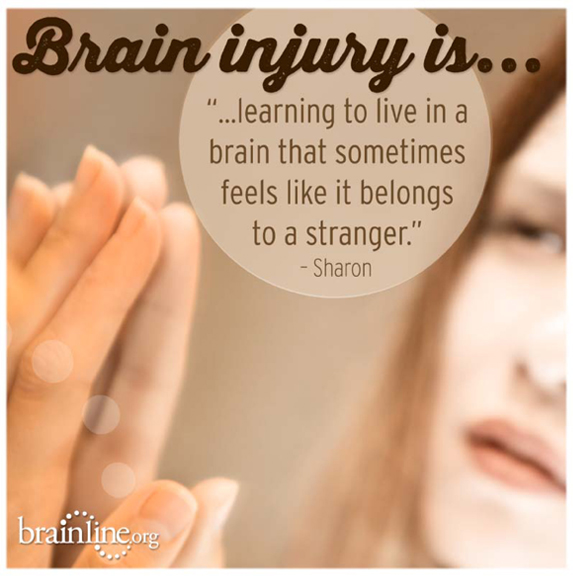 |
| Retrieved from https://www.brainline.org/article/traumatic-brain-injury-is |
Most days along this mild traumatic brain injury journey I am on I have managed to live by the phrase 'it is what it is'. But then there are the other days, or the end of each day. I am told this is due to the areas of my brain that were hit as I fell and my brain bounced around inside my skull.
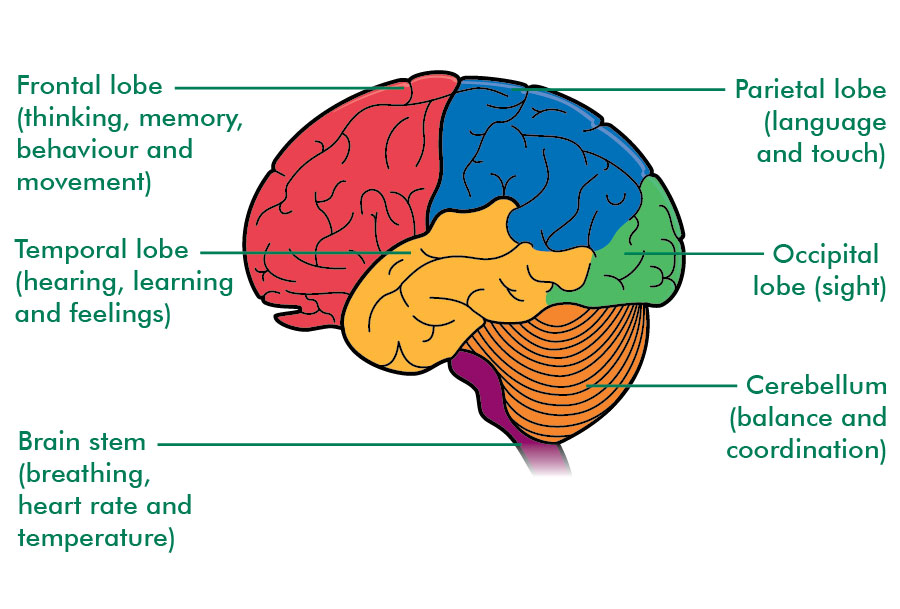
I landed on the left area of my head right where the temporal lobe is. This manages the feelings (somewhat broken as you will see as you read on), hearing (I am now sound sensitive) and learning (things go in but fail to be retained). My sight, in the form of malfunctioning binocular vision and light sensitivity, was affected as the brain bounced back into the skull and hit the occipital lobe and my balance is off because the cerebellum took a bit of a hit at the same time. My brainstem has shown its injury through my inability to manage my heart rate once I begin to overheat. There are minor language difficulties as described in my last post so I figure that the parietal lobe also received a good bruising.
I have never thought of myself as nor behaved like a diva. That kind of behaviour was not tolerated as I grew up and whatever self-centredness I had disappeared with the birth of our daughter. Funny thing about being a parent - suddenly your wants and needs go to the bottom of the pile.
I did suffer from PMT at times leading to tears and meltdowns. I have probably been what could have been diagnosed as depressed twice in my adult life. I have had stress related meltdowns, after which I would pick myself up and dust myself off. These all had the feeling of me not being in control at the time they were happening - something I had to ride out over a few hours and they were gone - usually for weeks at a time.
The emotional meltdowns that came after my head injury had some things in common with those earlier ones - but there were also previously unknown elements to them too. They were well beyond my control. I did, after a while, manage to pick myself up, dust myself down and move on - but not as quickly and with a fresh meltdown triggered exceptionally easily. I know from previous learning that I have been living in a flight or fight mode - fight being my most common response. Once I have been triggered the initial adrenaline rush subsides but the cortisol in my system as a result of the meltdown can make it super easy for me to be triggered over the following 24 hours. The anger could last for quite some time where previously a good cry and a hug dissipated it. I felt out of control - no longer the master of my emotions and not liking that feeling one little bit.
Initially I would have said this side of the mild traumatic brain injury did not set in until around the same time as everything else did - about a week and a half after impact. However, if I look back at our time away in Rarotonga there were signs it was starting then. Annoyance, as if it was hubby's fault, that we had been given the wrong information about where Matutu Brewery was in relation to Muri. A longer walk than 'just a K up the road' which we had been told. I had a headache, it was hot, I was in jandals rather than solid shoes for walking the 4 km each way we had to go, and I needed a loo - the brewery did not have a public one. Instant irritation, frustration and the holding back a meltdown. That was not the only time it happened over there but it was the worst and left me feeling like a very horrible wife out the other side of it all.
 |
| Retrieved from http://www.braintumoursupport.ie/the-central-nervous-system/brain-lobes-functions/ |
I have never thought of myself as nor behaved like a diva. That kind of behaviour was not tolerated as I grew up and whatever self-centredness I had disappeared with the birth of our daughter. Funny thing about being a parent - suddenly your wants and needs go to the bottom of the pile.
I did suffer from PMT at times leading to tears and meltdowns. I have probably been what could have been diagnosed as depressed twice in my adult life. I have had stress related meltdowns, after which I would pick myself up and dust myself off. These all had the feeling of me not being in control at the time they were happening - something I had to ride out over a few hours and they were gone - usually for weeks at a time.
The emotional meltdowns that came after my head injury had some things in common with those earlier ones - but there were also previously unknown elements to them too. They were well beyond my control. I did, after a while, manage to pick myself up, dust myself down and move on - but not as quickly and with a fresh meltdown triggered exceptionally easily. I know from previous learning that I have been living in a flight or fight mode - fight being my most common response. Once I have been triggered the initial adrenaline rush subsides but the cortisol in my system as a result of the meltdown can make it super easy for me to be triggered over the following 24 hours. The anger could last for quite some time where previously a good cry and a hug dissipated it. I felt out of control - no longer the master of my emotions and not liking that feeling one little bit.
Initially I would have said this side of the mild traumatic brain injury did not set in until around the same time as everything else did - about a week and a half after impact. However, if I look back at our time away in Rarotonga there were signs it was starting then. Annoyance, as if it was hubby's fault, that we had been given the wrong information about where Matutu Brewery was in relation to Muri. A longer walk than 'just a K up the road' which we had been told. I had a headache, it was hot, I was in jandals rather than solid shoes for walking the 4 km each way we had to go, and I needed a loo - the brewery did not have a public one. Instant irritation, frustration and the holding back a meltdown. That was not the only time it happened over there but it was the worst and left me feeling like a very horrible wife out the other side of it all.
 |
| https://www.pinterest.nz/pin/557742735099886855/ |
One major discovery was that I could not cope with following a recipe in the evenings. As I was struggling with the visual mind freak that going to the supermarket involved we decided to try using the Bargain Box system, where the bulk of your main meals are delivered as fresh ingredients to your door on a Sunday afternoon with the menu set for five days of the week. Deciding what to have for dinner was, in and of itself, a brain draining task as well. However, while the recipes for the delicious meals we were getting were easy this was not the case in the evenings when I was running on the very end of my mental and emotional reserves for the day. I would get angry with myself for taking so long and not managing like I used to. That would spill over into anger with everyone else around me showing as irritable, short, sharp bursts of verbal fire at whoever was, in actual fact, trying to help me.
Lo's favourite response when the doctor or anyone else asked about this symptom would be "No. She's really loooovely to live with." Dripping in sarcasm. In fact, I was completely demoralised by this inability to control myself emotionally. I felt absolutely awful after each outburst as I remembered the looks of hurt and withheld frustration on the faces of my family. I would then end up having a tearful time about the damage I was causing and that I could not stop myself from doing it.
The emotional impact of mild traumatic brain injury affects everyone living in the household. Our daughter was going through a particularly rough time, grieving a relationship that had split apart the same day as my own life had. Where I used to be able to be her crutch and support her through the crises of her life I could no longer be that. I was too emotionally 'all over the place' and fatigued to be there when she needed me most. This led to more emotional breakdowns as I realised I could no longer be the mother I had been over the years - and when she needed me most of all I felt I had let her down. I still feel that.
My husband no longer had his wife either - the person he could laugh with over silly things. I could not always get the humour as quickly as I had before, nor did we seem to be able to talk on the same wavelength without misunderstandings or me being simply too tired to care. To his credit he has walked away more often than not rather than continue when I have been out of control with irritability, frustration and then anger. That is the only way he could support me in that moment. He has been there wrapping me in his arms as I have struggled through the tear-filled, self-disgust laden diatribes aimed at me from me. He, quite frankly, has been my rock, anchor and safe harbour through all of this.
I am trying to be less of Dr Jekyll and more of Mr Hyde but each day is a new struggle in that department. One I am determined I will win - sooner rather than later.
Wednesday, 3 October 2018
Exhaustion Like Never Before...
Hubby asked if I was okay to keep walking along the beach after helping me up but I was only a couple of metres further on when I realised that this was not going to be okay. I felt decidedly wobbly, shocked and my fingers were really bleeding now.
As we headed up to the room I remember not feeling overly safe climbing the flight of stairs we had to ascend to get there. Once in the room I seemed to get some of my wits back about me - I cleaned up my hand and the scrapes on my face, got Voltaren onto my knuckles and carefully onto the swelling parts of my face and began to wash out the shirt I had had on. That was when I realised I needed to add the anti-inflammatory application to my shoulder as well - the green algae from the rocks was also smeared right down the left shoulder of my shirt. After cleaning myself up and changing out of my wet clothes we decided to book our safari trip, get some ice and coldpack my bruises then catch the next bus into town to get antiseptic to keep any infection at bay.
 |
| The day after - not looking 'with it' at all! I did feel better by the end of our week away. |
The flight home was also not a problem apart from the descent where I thought my ear drums were going to explode thanks to the sinus cold I had developed while we were away. Then I tried to return to work...
By the end of the weekend before school went back, about a week and a half after the fall and having completed the planning for and facilitated a workshop for teachers on the Thursday and Friday, I was starting to just put my head down and sleep. At any time of the day and more than once or twice a day. I have not been a great sleeper for a number of years but suddenly I was sleeping for 12 hours without any problem whatsoever on top of these nana naps. I was exhausted beyond anything I had ever known before.
Travelling between Whanganui and Mangaweka on Monday, working for a half day there, and then on to Ohakune saw me unable to continue working - sleep was all I wanted. By this stage I was also beginning to have a constant head ache, my neck was aching and I was feeling sick all the time. If I didn't know it would be a miracle I might have thought I was pregnant again.
Tuesday was no better - the nausea so bad that I could not cope with hubby driving a 360 degree turn in an empty carpark nor the winding road to and from the school I was working in - only about 45 minutes of that each way. As we headed for Taihape on our trip out I shut my eyes and hoped to hold onto what little I had eaten that day. This along with the cognition issues sent me back to the doctor the next day. I was put off work for two weeks at that stage - concussion. Little did I know that two weeks was never going to cut it in this recovery.
Over the month that followed I experienced dizzy spells if I got up too fast, turned too quickly or just turned my head too far to either side. The nausea was at its worst when I was in the car and at night going from vertical to horizontal. My poor husband moving in bed - even his foot - would have me feeling like the room was spinning. A sensation I hated after a big night, never mind now when there was no alcohol being consumed. I worked out it was easier to stay up for an hour or so after he went to bed as he stilled his body movements and I only had to contend with the initial change in position as I lay down. I began to notice that when I was walking I would drift to the right particularly if I was walking beside someone else. Being a passenger in the car meant constant motion sickness. I either had to close my eyes until we got where we were going or look at the sky. The sky had the smallest amount of change - white lines rush at you, cars going in different directions are a mind freak - although if we followed a car I could just watch the back of that. Racing around corners in the car was not great nor was going around sweeping bends that were on a downhill slope - eyes open or shut. Being in a busy restaurant or just the supermarket would make me feel sick - visual overload. It stopped about a month and a half after my initial symptoms onset, once I had had a couple of sessions with the concussion physio who manipulated my head, tipped backwards, to move the crystals in my ear. The end was nigh for the vestibular issues I was having.
I tried to use the extra time at home to get a bit of a start made on my Specialist Teaching paper only to find I could not concentrate for more than about 20 minutes before my head was pounding, my eyes were dry and my vision blurred. I then had to sleep. I found I would hit the wrong keys on the keyboard - something so ingrained that it is habit where to find them and to type accurately. If I did hit the right keys my brain would reverse the order of letters - like became liek. Writing was no better as my brain struggled to work my hand well enough to write as neatly and as accurately as I had done before. My spelling was atrocious. So much for that idea. Rest it was to be then.
One night about a week later I had been to a couple of appointments and the house was busy with people heading in all directions. I decided I could cook dinner - a simple one-pan mince and pasta dish that, before that night, I would have said I could cook in my sleep. Turns out I could but with the busy day I had had, not pacing myself - something I learned about later - I sat down to eat feeling both sick and with my hands physically shaking. I also had stabbing pains at the site of the bang. It took about half an hour for this to pass. I had over exerted myself with less than a tenth of my normal daily load. I was physically and mentally exhausted. For the first month I would lie on the couch and sleep after dinner for between half an hour and an hour, whether or not I had cooked dinner. Why? The exertion of the day, which was pretty pathetic by my usual standards, the lights being on over the table, and the social interaction of our dinnertime catch ups. More on the struggle to cope with social aspects of life after a head trauma are coming in my next post.
Light sensitivity and noise sensitivity were the two most unexpected physical side effects to hit me. I have worked with and been fascinated by Sensory Processing Disorder since I became an RTLB. Little did I know that the head bang was going to give me insider experience of what our students are dealing with. I cannot have bright, artificial lights glaring in front of me - and that includes car head lights. If I do my head aches, the muscles around my eyes begin to ache and I become irritated and angry. Noise for any length of time will do the same thing - the pitch of videos played through a cell phone, music thumping in the background, lots of people talking, guitar music on Discovery Turbo which was already a trigger for annoyance over time became an instant annoyance, whining American accents on reality shows or in some comedies all became painful. Think fingernails on the blackboard and multiply that by 100.
Eventually the sleep took a bit of a swing - if I had slept during the day there was no way I could get to sleep at night. Either I would get a head ache as I lay down, often at the site of the impact, or I would wake in the middle of the night with a head ache. Not long before this began to happen I had stumbled across the local library lending of audiobooks. I would sit up on the couch in the dark and listen to someone read me a story while the Panadol did its thing, then take myself back to bed.
These experiences started me wondering about whether students I had taught who would complain of tiredness, or need to leave the room because it was too noisy or requested the lights in the room be left off (those flickering fluorescent lights are definitely the worst of the artificial lights) were actually doing so because they were reading signals in themselves that I was now experiencing. How many students had I taught were hiding head injuries suffered at the hands of those around them and needed me to be aware that they could not focus without brain breaks? I know some of my brain breaks are spent staring out the window at a tree blowing in the wind, or watching tuis sitting in the kowhai filling themselves to gorging point with nectar. IF that were me in a classroom I would have been refocused and told to stop day dreaming. How many of those same students are suffering head aches in silence? How many parents chose not to bother me about what seemed small to them but for their child was absolutely massive when it came to draining their energy levels?
The physical effects of my head injury have knocked me around as much,if not more, than the cognitive, social and emotional effects have. It is great to talk to others who have been there and understand the absolute and utter exhaustion that comes with even the most simple tasks, the need to rest not once but several times a day, the pain in the most unlikely places - neck, shoulders and lower back all ache with the exertion of writing this post now. To look at me I look fine, like I could go for hours, but actually it really is the tip of the iceberg and most days I feel like Titanic - it sinks me within two hours.

Saturday, 29 September 2018
I Really Am Brain Dead...No Jokes

Retrieved from https://www.pinterest.nz/pin/341077371764547543/
Following my fall there was no immediate cognitive malfunction. The week we were in Rarotonga for I managed to hold conversations, read for a reasonable length of time and not struggle to focus for longer than an hour. I was, for all intents and purposes, feeling as 'normal' as it gets for me, give or take the odd headache. That said life was running on island time - I was getting plenty of sleep in spite of my head bang and the sinus cold I contracted on the plane to Rarotonga (love air conditioning!), we spent the afternoons lazily watching the waves roll in and crash on the reef from our balcony and spent time hoping to see the migrating whales - which I was lucky enough to experience. Mornings were spent out and about - a safari trip, finding the brewery just out of Muri, wandering the market on Saturday in Avarua. No pressure!
It was on our return as I tried to launch back into the busy-ness of work, home and study that things deteriorated. Initially it was the head ache that got worse and, after two days at home, I began to curl up on the couch and sleep at random times of the day feeling sick and shaky if I did not do this. A workshop I was running on the Friday (day 3) after our return was time adjusted as I knew I would not last the distance to the advertised finish time.
The weekend is always busy with washing for our household, my parents-in-law who are in a home and prefer their whites to stay that colour, as well as getting things organised as I prepared to launch back into time away from home working, and of course trying to get my brain out of island time and into the study for my Learning and Behaviour university paper that was now to be my focus. By the end of the weekend I realised I should not be driving - my processing times were appalling and I was an accident waiting to happen.
Following my two days away attempting to work, and with my lovely husband driving me on his days off, it became obvious something was really wrong. I had two half days of meetings and work with students, with the other parts of the days supposed to be spent on the follow up paper work online. I struggled through the time with the students - could not get myself to write neatly by the second day, struggled to focus on the assessment answers I was being given that day and my brain was so stretched by the end of that morning that I could not work out how to choose the right-hand tap from a set of three. Actually I could not work out how to work that out...that was the moment it hit home. My brain was severely injured.
I have now spent two and a half months in this state with incrementally small movements forward. My concussion is actually now called a mild traumatic brain injury. I have problems with memory, speaking, spelling, typing, focus, and retention. I cannot do more than one thing at a time and even then struggle to complete it.
Memory - recall of words, information people are telling me and even basic things like whether I have brushed my teeth today. I was tempted to create myself a visual timetable like the ones I use with my students. As I progress and it is not just the basic hygiene things I need to remember I may well need to do this. Google Calendar and its notifications has been amazing. The only appointment I have forgotten is one that was not put in there. Part of my recovery toolbox included the need to use the three P's - Plan, Prioritise and Pace. I found myself writing lists on a daily basis then shifting things that had not been high enough on the priority list to the next day. Pacing has been my hardest thing to master. I am used to being able to go like the Energiser bunny for the day and into the night with very few brain breaks or feeding my brain caffeine in the form of Coke Zero. I am now faced with needing to take regular micro breaks where I close my eyes and use mindfulness techniques to let the brain rest. Initially it was every 5 minutes while I was on a screen which has now extended to every 10 minutes. If I did not do this there was no way I could remember what I had read for my assignment work. Pushing myself means that my memory is a Swiss cheese with more holes than cheese. I keep reassuring myself that this too shall pass and have some wonderful friends who have been in this situation reminding me I need to rest if I am to improve.
Speaking and processing what I am hearing - I have struggled at times to understand what people are meaning when they say certain things and have felt like a complete idiot more than once through misunderstanding the intention of what was said. Not great for your self confidence. Living in a household that survives on wit, puns, play on words and jokes has also been an uncomfortable place to recover - I do not always get what is meant and say things that are picked up on to be made fun of. I now completely understand how an autistic student feels when they can only understand the literal meaning of what was said - confused at why people are laughing, upset that I made a mistake, and a little less confident to say something the next time I am in a similar situation. I have found myself at times letting my husband do the talking.
The other side of that is trying to speak. I cannot always get the connection between my brain where the sentence is well formed and my ability to get that well formed sentence out of my mouth to co-operate. I find myself almost stuttering, using the wrong words between the time the sentence has been cleared for take off and when it actually launches into space, and if I am over stimulated I sound like a drunk by the end of an hour. Words are slurred and I cannot actually form the sentence fully in my brain anymore. If we are out and about that is a sure signal that it is time to leave and get some quiet time...actually that boat has sailed and I should have gone to the loo for quiet time well before that. I am slowly learning to read the body signals before they become flashing red lights with alarms going off! If I was a child in this situation in a classroom I would need never mind want to get away from the noise and the need to make my brain work. This is something teachers need to be aware of and ask about when a child asks if they can go and work somewhere else. I now know that desperate need for quiet and peace.
Spelling and typing - this was a shock for me. I have always prided myself on my spelling, something that was drummed into me as a child. Typing was also something I learned at secondary school and passed Pitmans exams in. So it was uncomfortable to be typing a response to an email and not be able to work out what was wrong with the word exersize. I knew it was wrong, that it didn't look right. In the end I actually had to put it into Google to correct it. Talking to one of the Occupational Therapists (OT) led to the understanding that the brain sees these tasks as superfluous to all the other functions that it is trying to repair connections for. As far as my typing goes I press the correctly positioned key on the opposite end of the keyboard eg a 'k' instead of an 's' or I will transpose letters inside the word - particularly at the end of the word eg 'liek' instead of 'like' or completely leave letters out as my brain has said I included them when I actually didn't. Thank heavens for the backspace button - mine will be worn out before long. This is now something I will ask a child about if they have had a bump on the head, been in some kind of traumatic event or seem to be struggling with this area when it has not been an issue in the past.
I guess it is a little like the repair on the road infrastructure in Christchurch following the earthquakes - important and heavily used routes were repaired and opened first with repairs to streets within suburbs coming later as they were further down the infrastructure list of importance. Spelling and typing will improve I am told, but it will take time. They need to join the queue for repair. Until then I am very thankful for the lovely little red lines that alert me to incorrect spelling or typos as I complete the work required for the online forums for my Massey paper.
Focus and retention - at the moment my focus length with new learning/information is somewhere between 40 and 60 minutes. My concussion OT is very quick to pick up that my eyes have gone glassy - often recognising my need for rest before I do. I have moved from needing to sleep after that length of time to needing to just close my eyes and listen to meditation music for between 15 and 30 minutes. I am struggling to retain the information gathered as I read for my paper and find myself rereading the highlighted parts several times as I put together my response to it. I have learned to get the key points of what I want to say into my doc first then go back and flesh it out. What used to take me about half a day to complete can now take up to four days due to the need for breaks, the shortened length of time I can work for anyway, the mistyping of my response leading to the need to reread and make corrections more than once, and the inability to retain the details like I used to be able to do. I am managing to complete the online forum work for my paper but that is it. The assignment work - creating and gathering artefacts showing my learning progression - will need to have an extension. I am so thankful to the wonderful Wendy who has been such a support through this.
Cognitively I sound fine for about an hour, I cannot remember things I am told - for example, some days my son will have to tell me three or four times what time he is finishing his shift at work - and I have lists everywhere. It is literally as the quote says at the top of this post sometimes I think I am coming right as I amaze myself, other times I can barely remember whether I brushed my teeth that morning. I am looking forward to the bruised brain beginning to function as sharply as it used to. I will feel a lot less frustrated.
It was on our return as I tried to launch back into the busy-ness of work, home and study that things deteriorated. Initially it was the head ache that got worse and, after two days at home, I began to curl up on the couch and sleep at random times of the day feeling sick and shaky if I did not do this. A workshop I was running on the Friday (day 3) after our return was time adjusted as I knew I would not last the distance to the advertised finish time.
The weekend is always busy with washing for our household, my parents-in-law who are in a home and prefer their whites to stay that colour, as well as getting things organised as I prepared to launch back into time away from home working, and of course trying to get my brain out of island time and into the study for my Learning and Behaviour university paper that was now to be my focus. By the end of the weekend I realised I should not be driving - my processing times were appalling and I was an accident waiting to happen.
Following my two days away attempting to work, and with my lovely husband driving me on his days off, it became obvious something was really wrong. I had two half days of meetings and work with students, with the other parts of the days supposed to be spent on the follow up paper work online. I struggled through the time with the students - could not get myself to write neatly by the second day, struggled to focus on the assessment answers I was being given that day and my brain was so stretched by the end of that morning that I could not work out how to choose the right-hand tap from a set of three. Actually I could not work out how to work that out...that was the moment it hit home. My brain was severely injured.
I have now spent two and a half months in this state with incrementally small movements forward. My concussion is actually now called a mild traumatic brain injury. I have problems with memory, speaking, spelling, typing, focus, and retention. I cannot do more than one thing at a time and even then struggle to complete it.
Memory - recall of words, information people are telling me and even basic things like whether I have brushed my teeth today. I was tempted to create myself a visual timetable like the ones I use with my students. As I progress and it is not just the basic hygiene things I need to remember I may well need to do this. Google Calendar and its notifications has been amazing. The only appointment I have forgotten is one that was not put in there. Part of my recovery toolbox included the need to use the three P's - Plan, Prioritise and Pace. I found myself writing lists on a daily basis then shifting things that had not been high enough on the priority list to the next day. Pacing has been my hardest thing to master. I am used to being able to go like the Energiser bunny for the day and into the night with very few brain breaks or feeding my brain caffeine in the form of Coke Zero. I am now faced with needing to take regular micro breaks where I close my eyes and use mindfulness techniques to let the brain rest. Initially it was every 5 minutes while I was on a screen which has now extended to every 10 minutes. If I did not do this there was no way I could remember what I had read for my assignment work. Pushing myself means that my memory is a Swiss cheese with more holes than cheese. I keep reassuring myself that this too shall pass and have some wonderful friends who have been in this situation reminding me I need to rest if I am to improve.
Speaking and processing what I am hearing - I have struggled at times to understand what people are meaning when they say certain things and have felt like a complete idiot more than once through misunderstanding the intention of what was said. Not great for your self confidence. Living in a household that survives on wit, puns, play on words and jokes has also been an uncomfortable place to recover - I do not always get what is meant and say things that are picked up on to be made fun of. I now completely understand how an autistic student feels when they can only understand the literal meaning of what was said - confused at why people are laughing, upset that I made a mistake, and a little less confident to say something the next time I am in a similar situation. I have found myself at times letting my husband do the talking.
The other side of that is trying to speak. I cannot always get the connection between my brain where the sentence is well formed and my ability to get that well formed sentence out of my mouth to co-operate. I find myself almost stuttering, using the wrong words between the time the sentence has been cleared for take off and when it actually launches into space, and if I am over stimulated I sound like a drunk by the end of an hour. Words are slurred and I cannot actually form the sentence fully in my brain anymore. If we are out and about that is a sure signal that it is time to leave and get some quiet time...actually that boat has sailed and I should have gone to the loo for quiet time well before that. I am slowly learning to read the body signals before they become flashing red lights with alarms going off! If I was a child in this situation in a classroom I would need never mind want to get away from the noise and the need to make my brain work. This is something teachers need to be aware of and ask about when a child asks if they can go and work somewhere else. I now know that desperate need for quiet and peace.
Spelling and typing - this was a shock for me. I have always prided myself on my spelling, something that was drummed into me as a child. Typing was also something I learned at secondary school and passed Pitmans exams in. So it was uncomfortable to be typing a response to an email and not be able to work out what was wrong with the word exersize. I knew it was wrong, that it didn't look right. In the end I actually had to put it into Google to correct it. Talking to one of the Occupational Therapists (OT) led to the understanding that the brain sees these tasks as superfluous to all the other functions that it is trying to repair connections for. As far as my typing goes I press the correctly positioned key on the opposite end of the keyboard eg a 'k' instead of an 's' or I will transpose letters inside the word - particularly at the end of the word eg 'liek' instead of 'like' or completely leave letters out as my brain has said I included them when I actually didn't. Thank heavens for the backspace button - mine will be worn out before long. This is now something I will ask a child about if they have had a bump on the head, been in some kind of traumatic event or seem to be struggling with this area when it has not been an issue in the past.
I guess it is a little like the repair on the road infrastructure in Christchurch following the earthquakes - important and heavily used routes were repaired and opened first with repairs to streets within suburbs coming later as they were further down the infrastructure list of importance. Spelling and typing will improve I am told, but it will take time. They need to join the queue for repair. Until then I am very thankful for the lovely little red lines that alert me to incorrect spelling or typos as I complete the work required for the online forums for my Massey paper.
Focus and retention - at the moment my focus length with new learning/information is somewhere between 40 and 60 minutes. My concussion OT is very quick to pick up that my eyes have gone glassy - often recognising my need for rest before I do. I have moved from needing to sleep after that length of time to needing to just close my eyes and listen to meditation music for between 15 and 30 minutes. I am struggling to retain the information gathered as I read for my paper and find myself rereading the highlighted parts several times as I put together my response to it. I have learned to get the key points of what I want to say into my doc first then go back and flesh it out. What used to take me about half a day to complete can now take up to four days due to the need for breaks, the shortened length of time I can work for anyway, the mistyping of my response leading to the need to reread and make corrections more than once, and the inability to retain the details like I used to be able to do. I am managing to complete the online forum work for my paper but that is it. The assignment work - creating and gathering artefacts showing my learning progression - will need to have an extension. I am so thankful to the wonderful Wendy who has been such a support through this.
Cognitively I sound fine for about an hour, I cannot remember things I am told - for example, some days my son will have to tell me three or four times what time he is finishing his shift at work - and I have lists everywhere. It is literally as the quote says at the top of this post sometimes I think I am coming right as I amaze myself, other times I can barely remember whether I brushed my teeth that morning. I am looking forward to the bruised brain beginning to function as sharply as it used to. I will feel a lot less frustrated.
Thursday, 27 September 2018
And just like that suddenly everything was different...
I found this quote online and it really sums up my current situation.
I had joked before heading to Rarotonga that I needed to get off the bus that was the madness of my life - travelling, working, studying and somewhere in there being a wife and Mum, never mind finding time for myself. However, the Universe answered back with a completely different version of getting of the bus than I had intended.
We were delighted to return to the island that had seen us relax and reconnect with each other the year before. The sights, the beauty, island time, cocktail hour and of course being away from the world at home due to their expensive internet and mobile phone services were welcomed with excitement as we flew out of New Zealand on Tuesday, landing in Rarotonga after time travelling back to Monday.
Following breakfast on our first full day we had headed to the resort booking office to book the island safari tour we had decided would be a great way to see the interior of the island, and then head for a walk along the beach. However the office was busy so we decided to switch and go for our walk first.
The tide was heading out as we arrived but not to the point that the little fish and crabs had gone from the rock pools. The beach is mainly sand with the odd areas of rocky atoll poking through as the tide recedes as in the image below. The rocks were a little slippery and, as we came to the end of them in front of the building we were staying in, I went to put my foot down - I remember being about to place it onto rock with the step onto the sand being just a little too big. That is the last thing I remember about the fall - thankfully. I do not remember the slip, the probably very ungraceful and definitely fast descent to have my left hand, shoulder and temple impact with the rocks. No, the next thing I remember is pulling my very sore head off the rocks, checking my hand as it was sore, but not registering either of them were bleeding as I was seeing more than one of them at the time. I was pretty dazed - too dazed to be frightened. My husband waited for me to signal I needed a hand up. He reports hearing a noise and catching the last second of the fall as he looked around from his position slightly in front and to the right of me. Getting up brought on a wave of dizziness as did an attempt to continue our walk. Little did I know that those few seconds, which I did not realise I could not recall at all until about three weeks later, would change my world for possibly the next two years.
I had just stepped off the bus.
 |
| The rocks in the foreground are the ones I slipped on... how silly do I feel with the damage they did! |
As I attempted to walk more I registered a growing red patch on my shirt where my hand kept brushing against it and realised I needed to get back to the room to clean up the bumps and scrapes on my hand and head before they became infected, as well as rest until the dazed and dizzy feeling went away. I washed out my shirt as best I could with the hotel soap, cleaned myself up, applied Voltaren gel to the growing lumps on my hand, shoulder and face, and tried to tell myself I was okay - get up, dust self down, move on was my feeling. We planned to go into Avarua later in the morning to stock up on plasters and Dettol.
As we returned to the booking office to sort out our trip I had said to my husband that I thought we should delay until Friday if we could so I had a bit of recovery time (the accident occurred Tuesday in Rarotonga time, Wednesday our time). However the booking agent let us know that this was not a good idea as not many had booked for Friday at that stage and the trip may not go - so we booked for the following morning.
By the time this was done I knew I was concussed. My head was throbbing, I could feel the bruising and swelling starting and needed to get both Panadol and ice sorted. We are both trained in First Aid - hubby's is current, mine has lapsed - and were aware of the treatment for concussion. Had I vomited or actually realised I had lost consciousness at that point we would have made the trip to the hospital. I had done neither so we treated it as we knew it should be. Ice, rest and seek medical help if anything changed.
But nothing did - the whole week of the trip. Sure I was tired after our amazing trip the next day, the black eye appeared, I had to get hubby to read for me as my glasses had saved me from a complete rock smash to the temple but the arm on the left was now broken and they were sitting on my face skewed. Our days consisted of mornings out and about, afternoons resting and sleeping, evenings in search of dinner away from the resort and I still had a cocktail or two from the third night until we left. Even the flight home was only made uncomfortable as I had developed a sinus cold with the change in climate and my ears felt like they were going to explode as we descended into Auckland.
 |
| The black eye was not even that bad - there was a line hidden by my hair where my glasses had bruised my head and scrapes also hidden by my fringe. |
However, after we returned to normality things changed. As I tried to return to normal function I found myself incredibly tired and with an almost constant headache. I still finished the planning for and facilitating of a final session in a series of workshops I had been running. I rested over the weekend but one trip into town in particular alerted me to the fact I was not doing so well with my driving. As a result my husband used his days off to take me through to Ohakune and drive me to the schools I had to visit for my job in the back of Taihape on the Monday and Tuesday. Feeling carsick was a new experience, dizziness on turning, falling asleep on the couch for an hour in the middle of the day and then sleeping a solid 11 hours at night were also new and not normal experiences - all occurring over the space of those two days. I could not make my writing as neat as it should be, and the final straw was not being able to work out how to work out which of three taps was on the right. Something was seriously wrong.
A visit to the doctor the next day had me diagnosed with concussion, a week after my initial visit where all the bangs and bumps were recorded for ACC but during which I had had no sign of the impending concussion. The doctor assured me this was normal - the symptoms I was experiencing can appear up to two weeks later. He put me off work for two weeks. Little did I know that two weeks would grow and at this point I am wondering when I will actually return to work.
I was referred to the concussion clinic which I previously had not known existed. I have been assigned an occupational therapist to help me with managing my symptoms, particularly the fatigue. I was also assigned a concussion physiothrapist who was able to get my nausea under control with manipulation of my head which, apparently, shifts the crystals floating where they shouldn't be in the middle ear back into their rightful position. Before this happened properly I was living on anti nausea medication, unable to cope with being in the car (eyes were shut), feeling sick as the hairdresser moved around in front of me during my haircut (eyes had to be shut), unable to manage being in an environment with people moving around. Fast moving TV shows and movies were out which I had not realised until my daughter asked why I was watching a lot of slow moving or depressing drama (Handmaid's Tale, Downton Abbey are two examples). There was not a lot of movement and I could focus on a face or just shut my eyes and listen to the story.
I have researched what happened and why my recovery seems to be going at a snail's pace. When I hit my head imagine the ball in the image below is the rock I landed on. Not only did I have impact as shown there, but impact from standing, therefore add in speed and my not insignificant weight and my poor brain was pretty bruised up. Not only did I bruise the side of the brain where the impact happened but I also made a good job of bruising the brain on the right side towards the back where the counter blow as below was situated. I have whiplash symptoms in my neck as well. A CT scan has come back clear for any brain bleeds and I am reassured - a little - by the doctors insistence that it is a matter of time, rest and patience.

Retrieved from http://mayfieldclinicblog.com/?tag=concussion
I have definitely stepped off the bus - but who knows for who knows how long? I am accepting it with the mantra that it is what it is and things will improve over time.
Wednesday, 19 September 2018
What is Hauora and Why Am I Finding My Way Back?
According to the Māori Dictionary hauora is defined as the state of being 'fit, well, healthy, vigorous and in good spirits'. It is the overall health of the individual. Others have broken it down further, with the most common metaphor being Mason Durie's Whare Tapa Wha model. This breaks the individual's health into four areas that all need nurturing - te taha hinengaro or our psychological health, te taha whānau or our family health, te taha tinana or our physical health, and te taha wairua or our spiritual health. Western medicine has been slow to come to grips with the ide of an individual's health needing to have each of these four areas in balance, but examination of other cultures has led me to find similar understandings to that of Māori.

Retrieved from https://sites.google.com/a/tamaki.ac.nz/health-centre/whare-tapa-wha
So what does this have to do with me? Well I know my whare tapa wha is out of balance and, in some areas, has been for some time.
Te Taha Hinengaro - My Psychological Health
Many who know me would not pick up that there are issues in this area as I am good at putting on the mask that covers it. I should have been diagnosed with depression at least twice in my adult life but managed to fight my way back before it got to that. After a fall that has left me with ongoing concussion symptoms a few months back I am not entirely sure I am not heading back there at the moment. I am my own worst critic and worry about the things I do and say after the fact on a more than regular basis. After my own upbringing I have very low self esteem and often feel I am not good enough or faking my way through situations. Again something those that know me would not necessarily recognise in me either.
Te Taha Whānau - My Family Health
The family I have created as my whānau with my husband is a healthy, tight and loving unit of four. The family I came from was violent and dysfunctional. I know looking from the outside in at my friends families that it still is. The healing that comes from my own children and my immediate family unit now outweighs the negatives that just keep on coming from the family unit in which I grew up.
Te Taha Tinana - My Physical Health
As a child my health was pretty good - the annual cold usually. As a 7 year old I contracted a vaccine failed dose of whooping cough. I can still be frightened if I end up with a cough that feels like my lungs are turning inside out, and thankful that there is not the blood in my hand I remember from that time. Hayfever has also been an issue with the initial allergy being to cats and shifting over time to pollens. I also ended up with glandular fever as an eight year old which, aside from the usual measles, rubella and chicken pox meant I was relatively healthy.
As an adult it has been far less plain sailing - a TIA at 37 due to not looking after myself as I taught and mothered at the same time, surgery on my shoulder following the fall I had with the TIA, pneumonia, constant sinus infections leading to an allergy to sulfa based antibiotics, a range of accidents some involving head injuries. There have been those that have joked about wrapping me in bubble wrap to keep me safe following this latest and biggest fall. The final issue is one I have battled with in one way or another since puberty - Poly-cystic Ovary Syndrome (PCOS). It has caused issues with acne, hormones, facial hair and most of all my weight.
Putting these four walls together leads to a whare nui in need of some tender loving care. If I do not do something about making all of the aspects of my whare tapa wha a priority I am heading for some fairly major physical health issues. The time off with this head injury has allowed me space to reflect on decisions made, lifestyle choices and where I need to go from here to make it through the next few years which is how long my recovery could actually be.
As a child my health was pretty good - the annual cold usually. As a 7 year old I contracted a vaccine failed dose of whooping cough. I can still be frightened if I end up with a cough that feels like my lungs are turning inside out, and thankful that there is not the blood in my hand I remember from that time. Hayfever has also been an issue with the initial allergy being to cats and shifting over time to pollens. I also ended up with glandular fever as an eight year old which, aside from the usual measles, rubella and chicken pox meant I was relatively healthy.
As an adult it has been far less plain sailing - a TIA at 37 due to not looking after myself as I taught and mothered at the same time, surgery on my shoulder following the fall I had with the TIA, pneumonia, constant sinus infections leading to an allergy to sulfa based antibiotics, a range of accidents some involving head injuries. There have been those that have joked about wrapping me in bubble wrap to keep me safe following this latest and biggest fall. The final issue is one I have battled with in one way or another since puberty - Poly-cystic Ovary Syndrome (PCOS). It has caused issues with acne, hormones, facial hair and most of all my weight.
Putting these four walls together leads to a whare nui in need of some tender loving care. If I do not do something about making all of the aspects of my whare tapa wha a priority I am heading for some fairly major physical health issues. The time off with this head injury has allowed me space to reflect on decisions made, lifestyle choices and where I need to go from here to make it through the next few years which is how long my recovery could actually be.
Subscribe to:
Posts (Atom)